With a wide range of qualifications and certificates, you can rely on us
Box shell
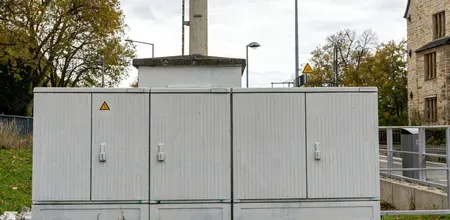
The material is usually metal, such as stainless steel, cold-rolled steel plate, etc. These materials have good mechanical strength and can withstand a certain degree of external impact, protecting internal components from damage. For example, cable branch boxes with cold-rolled steel sheet shells can effectively resist collisions, compressions, and other situations that may occur on construction sites or in outdoor environments.
At the same time, the outer shell of the box has sealing properties, which can prevent dust, moisture, and corrosive gases from entering the box. When used outdoors, its protection level generally reaches IP30 or above. Cable branch boxes with IP33 protection level can resist the intrusion of rainwater and dust, ensuring that internal electrical components work in a relatively clean and dry environment and extending their service life.
Cable connection components
Cable terminal connector:
This is the key component connecting the cable and branch box. There are mainly two types of cable terminal joints: cold shrink and heat shrink. The cold shrink cable terminal joint utilizes the elasticity of rubber material to fit around the end of the cable at room temperature. By extracting internal supports, the rubber shrinks and tightly wraps around the cable core. It is relatively easy to operate and has low environmental requirements. The heat shrink cable terminal joint requires the use of heating tools to shrink the heat shrink material after heating and adhere it to the cable core wire, with good sealing performance.
The function of cable terminal joints is to reliably connect the core wire of the cable (such as copper or aluminum core) with the electrical connection part inside the branch box, ensuring good electrical conductivity. Its contact resistance requirement is relatively low, generally at the micro ohm level. For example, the contact resistance of qualified 10kV cable terminal joints is usually less than 50 micro ohms, which can reduce the loss and heating of electrical energy at the connection point.
Connect the mother busbar:
The connecting busbar is generally made of copper material because copper has good conductivity. The shape of the mother row can come in various forms such as flat plate and column. In the branch box, the busbar plays a role in connecting different cable terminal joints, distributing electrical energy from one cable to multiple cables. For example, in a cable branch box with three branches, the electrical energy of the main cable is conducted to the busbar through the cable terminal joint, and then the busbar distributes the electrical energy to the terminal joints of the three branch cables.
Branch switch (optional)
Load switch:
Load switches are mainly used for on/off control of circuits under normal conditions. It can safely connect and disconnect circuits at rated current. The structure of a load switch generally includes moving contacts, stationary contacts, operating mechanisms, and other parts. The operating mechanism can be manually operated or electrically operated. The manually operated load switch achieves circuit on/off by manually pulling the operating handle; The electrically operated load switch can control the circuit status through remote control signals.
For example, when it is necessary to inspect a branch cable, the power supply of that branch can be cut off by operating the load switch, which facilitates the safe operation of maintenance personnel and avoids safety accidents such as electric shock during the maintenance process.
Circuit breaker:
In addition to the on-off function of load switches, circuit breakers also have functions such as short-circuit protection and overload protection. When a short circuit or overload occurs in a branch line, the circuit breaker can automatically cut off the circuit. There is a trip mechanism inside the circuit breaker. When the current in the circuit exceeds the rated value (short-circuit current or overload current), the trip mechanism will operate, causing the circuit breaker to trip quickly.
For example, when a metallic short circuit occurs in a branch line, the short-circuit current will rise sharply in an instant. The circuit breaker can quickly cut off the circuit within a few milliseconds to tens of milliseconds, protecting other electrical components inside the branch box and downstream electrical equipment from damage caused by high currents.
grounding device
Cable branch boxes are usually equipped with grounding devices to ensure the safe operation of equipment. The grounding device mainly includes a grounding busbar and grounding terminals. The grounding busbar is generally connected to the metal components inside the box (such as connecting busbars, box shells, etc.), and the grounding terminal is used to connect external grounding systems, such as grounding electrodes or grounding grids.
When a fault such as leakage occurs in the branch box, the grounding device can introduce the current into the ground to avoid electric shock to personnel and equipment damage. For example, in the case of cable insulation damage causing leakage, current flows into the ground through the grounding device, keeping the potential inside the box within a safe range, and triggering the protection device (such as leakage protector) to act, cutting off the faulty circuit.
insulating parts
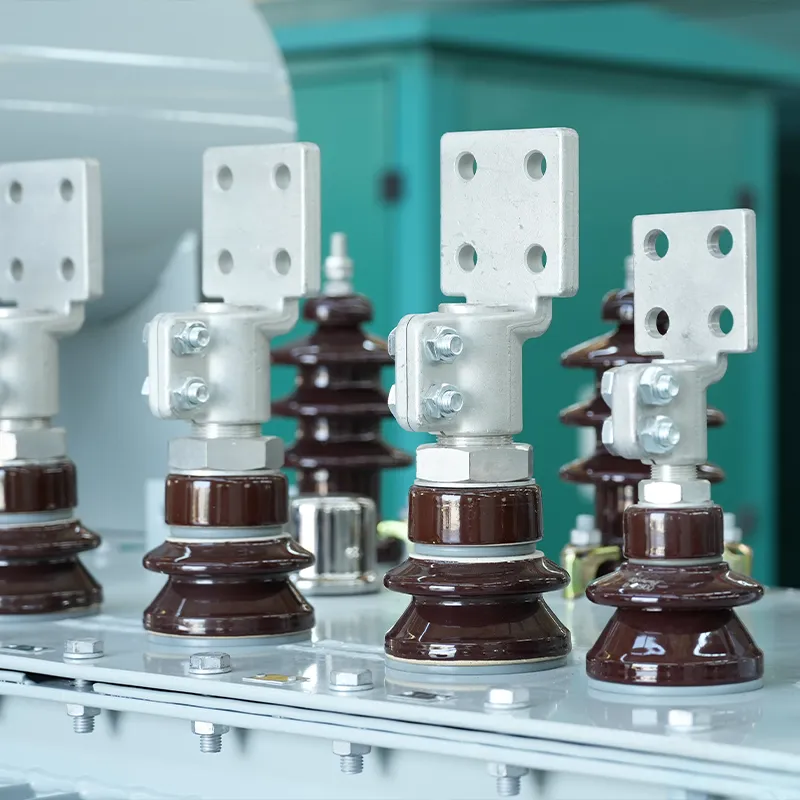
In the cable branch box, insulation components are used to prevent short circuits and other faults between electrical components with different potentials. The insulation components mainly include insulators and insulation partitions. Insulators are used to support and fix live components such as busbars, keeping them insulated from grounded components such as the casing. Insulated partitions are used to separate different electrical sections, such as separating the main cable connection area from the branch cable connection area, to prevent phase to phase short circuits or relative to ground short circuits.
Insulating components are generally made of materials with good insulation properties, such as ceramics, epoxy resin, etc. Ceramic insulators have high mechanical and insulation strength, and can withstand certain voltages and mechanical stresses; Epoxy resin insulation partitions have good processing and insulation properties, and can be customized according to the internal structure of the branch box, effectively improving the electrical safety of the branch box.
Other attachments
Observation window:
Some cable branch boxes have observation windows installed on the box body, usually made of transparent organic glass or tempered glass. The observation window can facilitate operation and maintenance personnel to observe the working status of internal electrical components without opening the box, such as checking whether there is heating and discoloration at the connection parts, and whether the insulation components are damaged.
Ventilation device:
For some cable branch boxes installed in enclosed environments or areas with high temperatures, ventilation devices such as ventilation holes or small fans will be equipped. The ventilation device can regulate the temperature and humidity inside the box, preventing electrical components from being damaged due to overheating. For example, in high temperature environments during summer, ventilation devices can effectively reduce the temperature inside the box, ensuring that the electrical equipment inside the branch box operates normally within the allowable temperature range.
We will reply you within 24 hours. If for urgent case, please add WhatsApp/WeChat: +86 ******,. Or call +86 ****** directly.
*We respect your confidentiality and all information are protected.
We will only use your information to respond to your inquiry and will never send unsolicited emails or promotional messages.
