With a wide range of qualifications and certificates, you can rely on us
Working Principle:
Oil immersed transformers, like other transformers, operate using the principle of electromagnetic induction. When an alternating voltage passes through the primary winding, an alternating electromotive force is generated inside the winding, which excites eddy current motion inside the iron core, and then induces electromotive force in the secondary winding to achieve voltage transformation.
Structural composition:
Iron core: It is the magnetic circuit part of the transformer, composed of stacked silicon steel sheets with good magnetic conductivity. The iron core forms a magnetic flux closed loop, and both the primary and secondary windings of the transformer are wound around the iron core. To reduce heat loss and decrease volumetric weight, the iron core is made of cold-rolled grain oriented silicon steel sheets with a magnetic conductivity coefficient of less than 0.35mm. In large capacity transformers, cooling oil passages are often installed in the iron core to allow the insulating oil to fully dissipate heat during circulation.
Winding: also known as a coil, is the conductive circuit of a transformer, which is made of copper or aluminum wire wound into multiple layers of cylindrical shape. Generally, the low-voltage winding is inside and the high-voltage winding is outside to ensure insulation. The insulation material is wrapped around the outside of the wire to ensure insulation between the wires and between the wires and the ground.
Oil tank: It is the outer shell of an oil immersed transformer, used for storing oil and installing other components, usually welded from steel plates. The oil tank of small and medium-sized transformers consists of a casing and a cover, which can be opened to lift out the body for maintenance.
Oil pillow: also known as oil tank. Due to the thermal expansion and contraction of transformer oil caused by temperature changes, the function of the oil pillow is to leave a buffer space for the volume change of the oil, keep the oil tank always full of oil, and reduce the contact area between oil and air, slowing down the oxidation of the oil.
Gas relay: also known as gas relay, installed in the middle of the connecting oil pipe between the oil tank and the oil pillow, is the main protective device for internal faults in transformers. When a serious fault occurs inside the transformer, the gas relay connects to the circuit breaker trip circuit; When a minor internal malfunction occurs, connect the fault signal circuit.
Radiator: Installed on the wall of the fuel tank, the upper and lower parts are connected to the fuel tank through pipes. When there is a temperature difference between the upper and lower oil temperatures of the transformer, convection of oil is formed through the radiator, which cools the oil and flows back to the oil tank, thus reducing the temperature of the transformer oil. Measures such as self cooling, forced air cooling, and forced water cooling can be used to improve the cooling effect.
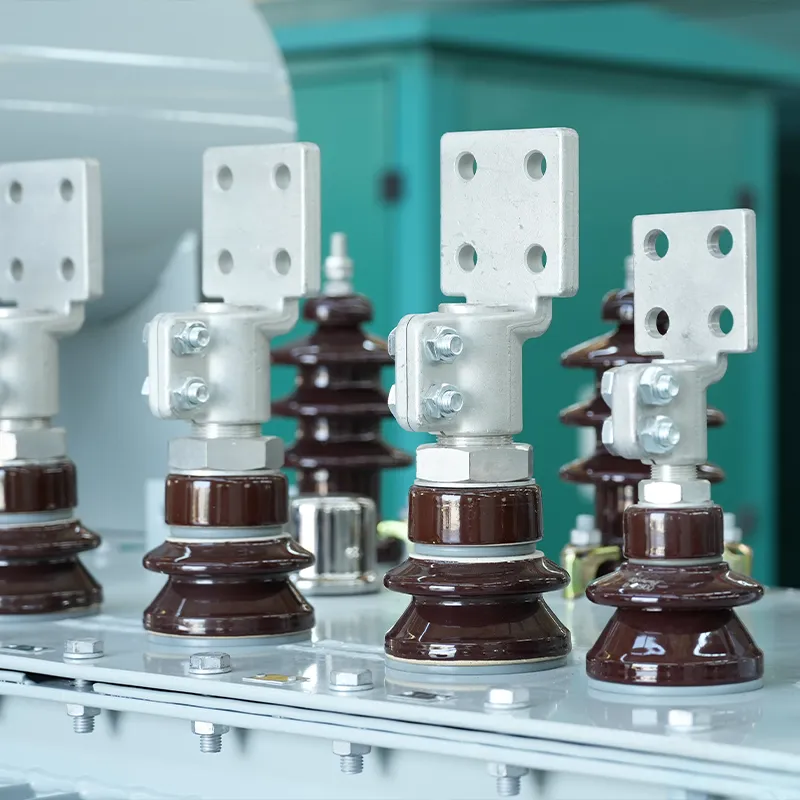
Insulation sleeve: located on the top cover of the transformer oil tank, generally made of porcelain insulation sleeve, its function is to maintain good insulation between the high and low voltage winding leads and the oil tank, and to fix the leads.
Tap changer: It is set to ensure the stability of the secondary voltage of the transformer. When the power supply voltage changes, the tap position of the transformer can be adjusted using a tap changer to change the turns ratio of the winding, thereby ensuring stable output voltage on the secondary side. Tap changers are divided into two types: on load voltage regulating devices and no-load voltage regulating devices.
Pressure relief valve (explosion-proof pipe): installed on the oil tank of the transformer. When a serious fault occurs inside the transformer and the gas relay fails, the gas pressure inside the oil tank will rise, breaking the seal of the pressure relief valve and discharging gas to prevent the transformer from exploding.
Cooling method:
Oil immersed self cooling type: relying on natural convection of oil to take away heat, this method has a simple structure, low operation and maintenance costs, but relatively low heat dissipation efficiency, suitable for small capacity and low load transformers.
Oil immersed air-cooled type: In addition to the oil immersed self cooling type, a fan is added to blow air to the oil tank and oil pipe to enhance heat dissipation. The heat dissipation efficiency is higher than that of oil immersed self cooling type, and it is suitable for transformers with medium capacity and medium load.
Forced oil circulation type: The hot oil in the transformer is pumped out of the transformer by an oil pump for cooling before being sent into the transformer. The cooling effect is good and can be used for large capacity and high load transformers, but the system structure is complex and the operation and maintenance costs are high.
Performance characteristics:
Advantages:
Good insulation performance: Transformer oil has good insulation performance, which can effectively isolate the electrical connections between windings and iron cores, windings and windings, and prevent faults such as short circuits and leakage.
Good heat dissipation performance: Transformer oil is not only an insulating medium, but also can absorb the heat generated during transformer operation and dissipate it through a radiator, ensuring the normal operation of the transformer.
High reliability: Oil immersed transformers have a simple structure and stable operation. As long as they are properly maintained, they can work reliably for a long time.
Low cost: Compared to other types of transformers, oil immersed transformers have relatively low manufacturing costs and high cost-effectiveness.
Disadvantages:
Flammability: Transformer oil is flammable and may ignite or explode when exposed to a fire source or high temperature, therefore fire prevention measures need to be taken.
High maintenance requirements: It is necessary to regularly check the quality and oil level of transformer oil, replace aging or contaminated transformer oil in a timely manner, and the maintenance workload is relatively large.
Has a certain impact on the environment: If a transformer experiences oil leakage or other faults, the transformer oil will cause pollution to the environment.
Application fields:
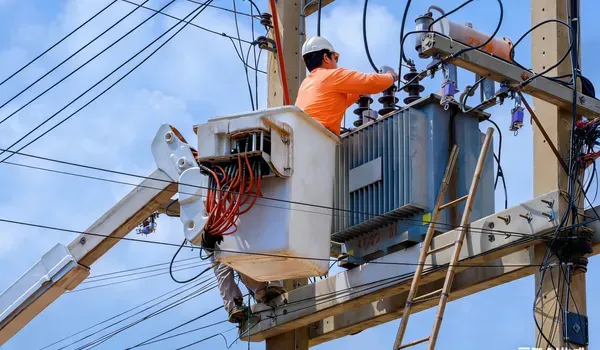
Oil immersed transformers are widely used in power transmission and distribution systems, and are important equipment in power plants, substations, transmission lines, and other places.
Oil immersed transformers are also commonly used in industrial and mining enterprises, commercial buildings, residential areas, and other places to convert high voltage electricity into low voltage electricity suitable for user use.
In addition, in some special occasions that require high voltage stability, such as research institutions, hospitals, communication base stations, etc., oil immersed transformers also play an important role.
We will reply you within 24 hours. If for urgent case, please add WhatsApp/WeChat: +86 ******,. Or call +86 ****** directly.
*We respect your confidentiality and all information are protected.
We will only use your information to respond to your inquiry and will never send unsolicited emails or promotional messages.
